Parker Carter · 23 October 2026
Navigating Token Allocations in Simulated City Builders Powered by Distributed Systems
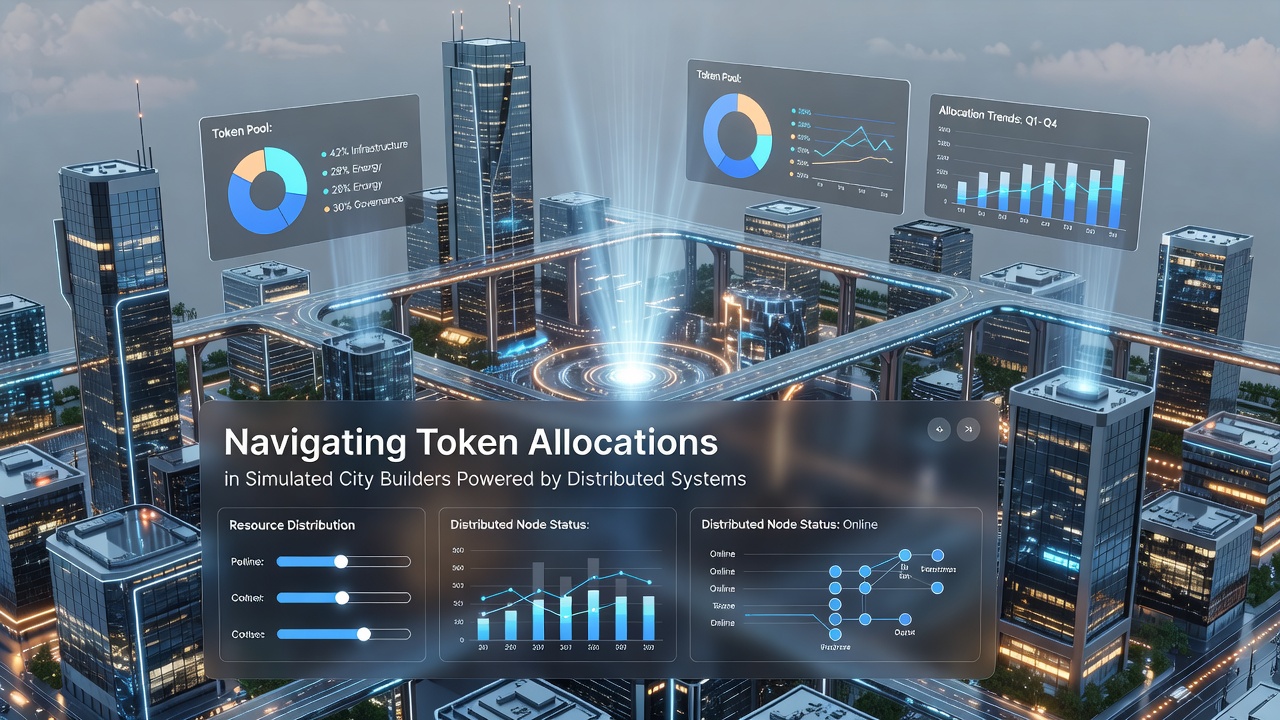
Simulated city builders that run on distributed systems rely on token allocations to assign resources, land parcels, and development rights across networked nodes rather than centralized servers. These systems use blockchain protocols or similar decentralized ledgers to record ownership and transfers, which creates a transparent record that multiple participants can verify simultaneously. Data from industry reports shows that allocation mechanisms often distribute tokens through staking pools, governance votes, or automated smart contracts that respond to player actions in real time.
Core Mechanics of Token Distribution
Token allocations in these environments typically follow predefined rules encoded in the protocol, where each token represents a unit of in-game currency, building material, or zoning permission. Distributed networks process these allocations through consensus algorithms that confirm transactions across geographically separated nodes, reducing single-point failures while introducing latency considerations during peak activity periods. Researchers at various institutions have documented how proof-of-stake variants adjust allocation weights based on the amount of tokens a participant holds or commits, which influences both short-term resource access and long-term network stability.
October 2026 saw several simulation platforms implement updated allocation schedules that incorporated dynamic pricing tied to node participation rates, allowing the system to rebalance token supplies when demand spikes in specific virtual districts. This adjustment mechanism operates without manual intervention because the underlying distributed ledger automatically recalculates supply according to predefined formulas that account for total tokens in circulation and active node count.
Challenges in Maintaining Allocation Fairness
Observers note that maintaining equitable token distribution across large player bases requires careful calibration of issuance rates and penalty structures for non-participation. When nodes experience temporary disconnections, the system must reconcile pending allocations upon reconnection, which can lead to brief discrepancies that later resolve through protocol-level corrections. Studies conducted by academic groups have examined how these reconciliation processes affect overall simulation performance, particularly in scenarios where thousands of simultaneous building actions compete for limited resource tokens.
Security Considerations in Decentralized Environments
Security protocols in distributed city builders focus on preventing unauthorized token creation or double-spending attempts that could undermine allocation integrity. Multi-signature requirements and time-locked contracts serve as common safeguards, ensuring that major allocation changes receive validation from multiple independent nodes before execution. Reports from regulatory bodies such as the OECD digital economy analyses highlight how these layered verification steps contribute to higher computational overhead yet deliver greater resistance to coordinated attacks compared with traditional centralized databases.
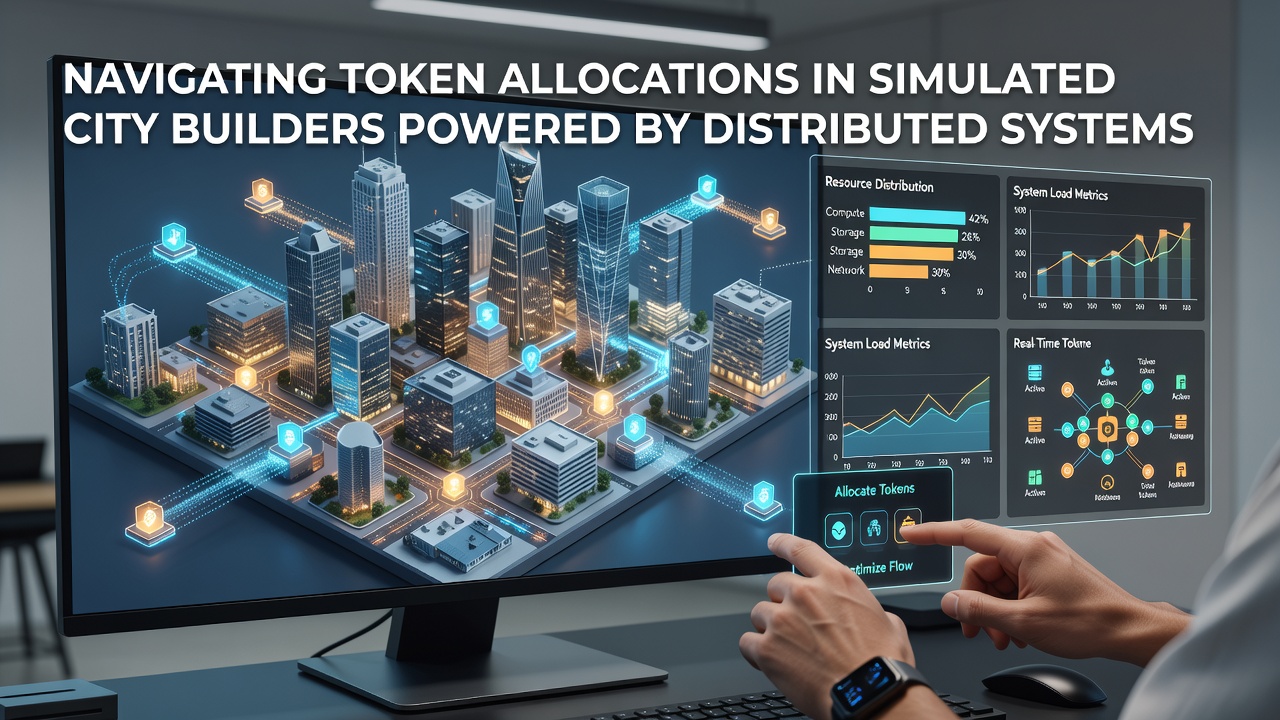
Players interact with allocation interfaces that display current token balances, pending transfers, and projected resource yields based on historical network data. These interfaces pull information directly from the distributed ledger, which updates continuously as new blocks confirm completed transactions. One study revealed that visualization tools built on top of these ledgers help participants anticipate allocation bottlenecks during large-scale expansion phases.
Integration with Governance and Economic Models
Governance frameworks embedded in these distributed systems allow token holders to propose or vote on changes to allocation parameters, such as increasing the rate at which new development tokens enter circulation. Voting power often scales with token holdings or staking duration, creating a feedback loop where active participants gain greater influence over future distribution rules. Data indicates that platforms adopting quadratic voting mechanisms have recorded more balanced participation rates across different player segments, although implementation details vary by protocol version.
External economic factors also shape allocation strategies because token values on secondary markets can affect player decisions about when to stake or trade resources. Industry organizations tracking virtual economy metrics have recorded correlations between allocation policy adjustments and shifts in trading volume, particularly during periods when new simulation features launch and temporarily increase demand for specific token types.
Future Directions for Allocation Protocols
Developments scheduled for late 2026 and beyond include testing of layer-two scaling solutions that batch allocation transactions off the main ledger before final settlement, which aims to reduce confirmation times while preserving the security properties of the underlying distributed network. Academic papers examining these hybrid approaches suggest potential improvements in transaction throughput without compromising the verifiability that distributed systems provide.
Additional research explores integration with oracle networks that feed real-world data into allocation calculations, such as adjusting resource token scarcity based on aggregate player activity across multiple simulation instances. These oracles operate through decentralized consensus of their own, feeding verified inputs into the city builder protocols at regular intervals.
Conclusion
Token allocation systems in distributed city builders combine protocol-level rules, consensus mechanisms, and governance participation to manage resources across decentralized networks. Ongoing refinements in October 2026 and subsequent periods continue to address scalability, security, and fairness concerns while preserving the core advantages of distributed verification. Further documentation from sources including Entertainment Software Association reports provides additional context on how these technical frameworks support expanding virtual economies.